Why Choose a Truck Fridge for Your Long Haul Needs?
Choosing the right equipment for long-haul trucking is crucial. A Truck Fridge stands out for various reasons. According to industry reports, nearly 70% of truck drivers now consider in-cab refrigeration essential. This trend is driven by the need for fresh food and beverages during extended trips. With over 80% of drivers claiming that quality meals boost their focus and energy, investing in a Truck Fridge can improve performance.
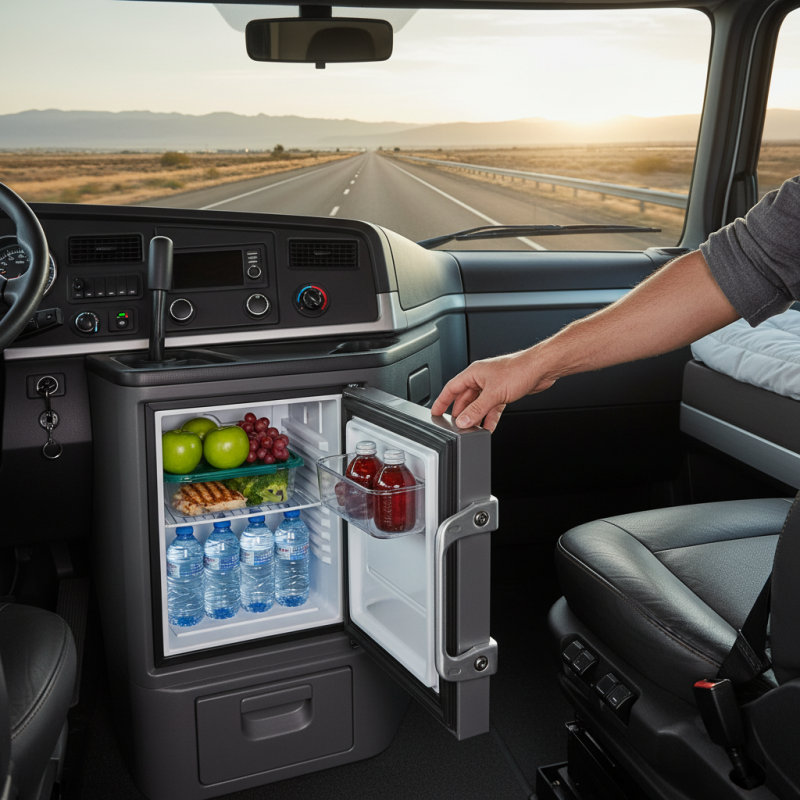
The convenience of having a truck fridge cannot be overstated. Many drivers face challenges in accessing healthy food options on the road. Portable fridges allow them to store fruits, vegetables, and proteins. This flexibility helps maintain nutritional standards while adhering to long haul schedules. However, not all fridges are created equal. Some units may lack the durability needed for rough trucking conditions, leading to potential disappointments.
Furthermore, understanding the specific needs of your journey can influence your choice. A Truck Fridge can fit different budgets, but the price should reflect its efficiency and longevity. By selecting the right model, drivers can enhance their overall experience. This decision is more than just about convenience; it’s about prioritizing health and well-being on the road.
Benefits of Truck Fridges for Long Haul Drivers
Long haul driving can be grueling. Long hours on the road lead to fatigue and unhealthy eating habits. However, having a truck fridge can dramatically change the experience for drivers. According to the American Trucking Associations, over 70% of freight in the U.S. is transported by truck. This highlights a strong need for drivers to maintain their health while on the road.
A truck fridge allows drivers to store fresh, nutritious food. Studies show that long haul drivers who eat healthy report better concentration and less fatigue. A report from the Centers for Disease Control and Prevention states that about 25% of truck drivers are classified as obese. This issue can be alleviated by eating home-prepared meals instead of fast food.
Moreover, having a fridge promotes flexibility. Drivers can prepare meals in advance, saving time and money. Access to cold storage also increases the variety of food options. Yet, not all fridges are created equal. It's essential to consider energy efficiency and space limitations. Each truck’s layout can present unique challenges. These factors warrant careful deliberation by drivers contemplating the switch to a truck fridge.
Types of Truck Fridges and Their Features
When considering a truck fridge for long-haul journeys, understanding the types available is crucial. There are various types of truck fridges, each with unique features tailored to different needs. Portable fridges are popular for their convenience. They are lightweight and easy to move. These fridges often run on both AC and DC power. This versatility makes them ideal for long trips.
Another option is the built-in fridge. These models are permanently installed in the truck. They usually offer larger storage capacity. A built-in fridge might consume more power, but they often provide better insulation. This helps maintain a steady internal temperature, which is essential for food preservation.
Most truck fridges have temperature controls and adjustable shelves. These features enhance usability, allowing truckers to store various food items easily. However, buyers must consider energy efficiency. Some fridges may seem attractive due to their price but could lead to higher energy bills. It's essential to weigh these long-term costs against initial savings. Each type of truck fridge has its pros and cons. Understanding these can lead to a better choice for long-haul needs.
Truck Fridge Comparison: Types and Features
Energy Efficiency and Cost Savings of Truck Fridges
When considering a truck fridge for long haul journeys, energy efficiency is paramount. According to a report by the U.S. Department of Energy, refrigerator models designed for mobile applications can save up to 30% more energy compared to traditional home units. This is significant for truckers who often face rising fuel costs. A truck fridge runs on 12V or 24V systems, which are more compatible with vehicle power sources.
Cost savings go beyond energy efficiency. A survey conducted by the American Transportation Research Institute showed that refrigerated trucks can reduce food spoilage by 50%. This reduction directly translates into lower costs for drivers, as fewer perishable items need to be replaced. Additionally, the ability to store a greater variety of food leads to healthier meal options, improving overall well-being on the road.
However, not all truck fridges are created equal. Some models might require a higher initial investment. Additionally, the technology can vary greatly among models, making it crucial to research options thoroughly. Investing in a reliable truck fridge may initially seem costly but can yield significant long-term savings, highlighting the importance of making an informed choice. Understanding individual needs and evaluating available technology is essential in optimizing energy and cost efficiency.
Storage Capacity and Organization in Truck Fridges
When considering a truck fridge for long hauls, storage capacity and organization are critical. Many professional truck drivers emphasize the size and layout of their fridges. A fridge with a minimum capacity of 12 to 20 cubic feet can greatly enhance the experience for long-haul professionals. According to an industry report, drivers often struggle with limited storage, leading to food spoilage and wasted time.
An effective truck fridge utilizes shelves and compartments. This design maximizes space and keeps items organized. For example, clear bins can keep snacks separate from perishables. Studies show that organized fridges lead to better meal planning. This translates to healthier eating on the road. Drivers report spending less time searching for food and more time focused on their routes.
However, not all fridges are created equal. Some may lack adequate cooling efficiency while others might consume excessive power. Drivers must consider the balance between capacity and energy use. Awareness of these details can lead to better choices and, ultimately, a smoother journey. Reflecting on personal experiences, many drivers find that investing in a reliable fridge improves their overall well-being during long hauls.
Maintaining and Caring for Your Truck Fridge
Maintaining your truck fridge is vital for its longevity and effectiveness. Regular cleaning helps prevent odors and buildup. Use a mild detergent and warm water for the interior. Avoid strong chemicals, as they can damage the components. Pay attention to the seals; they should be clean and intact. This ensures energy efficiency and keeps your food fresh.
Temperature control is another key aspect of care. Check the settings frequently, especially during long hauls. Adjust them according to the type of items stored. Overloading can strain the fridge, leading to uneven cooling. It's also wise to defrost when necessary, as ice buildup reduces efficiency.
Inspect your fridge for any unusual sounds or performance issues. Early detection can save you from bigger problems later. Be proactive about servicing; sometimes it’s better to seek a professional. Remember, a well-maintained fridge reflects your commitment to quality and reliability on the road.
Why Choose a Truck Fridge for Your Long Haul Needs? - Maintaining and Caring for Your Truck Fridge
| Feature | Benefit | Maintenance Tips |
| Energy Efficiency | Saves fuel and battery power during long hauls. | Keep the fridge clean and ventilated for optimal performance. |
| Compact Design | Maximizes limited space in the truck's cab. | Regularly check door seals to prevent cool air loss. |
| Durability | Built to withstand the rigors of the road. | Use a soft cloth for cleaning; avoid abrasive materials. |
| Versatile Temperature Settings | Can be used for refrigeration or freezing. | Adjust settings based on the contents and outside temperature. |
| Portability | Easy to move in and out of the truck. | Store in a dry area when not in use to prevent rust. |