
Skip to content

Why Are Gate Valve Seats Important?

Gate Valve Seats may be small, but their job is critical. They form the sealing surfaces where the gate meets the valve body, helping control leakage when the valve is closed. A damaged, poorly fitted, or unsuitable seat can compromise shutoff, increase wear, and make maintenance more difficult. The effects may be visible as seepage around a closed valve, or less obvious until inspection.

Their importance becomes clearer in real service. A valve handling abrasive fluid may face gradual scoring. Temperature changes can affect material performance. Repeated operation can wear contact surfaces, especially when the valve is not used as intended. Seat design and material selection therefore need to match the application, operating conditions, and maintenance plan. Small details matter.

A note on attribution: I can’t verify a real industry expert’s quotation from the information provided, so I won’t present an invented quote as fact. As an original editorial summary, valve specialist Elena Brooks—an illustrative, fictional expert—might put the principle this way: “A reliable shutoff starts where the gate meets its seat.” Treat that line as illustrative, not a sourced quotation. The sections that follow examine seat function, common materials, failure signs, and practical selection considerations. Even a well-made seat is not a cure-all; installation, operation, and inspection still count.
Why Are Gate Valve Seats Important?

What a Gate Valve Seat Is and Where It Fits in the Valve

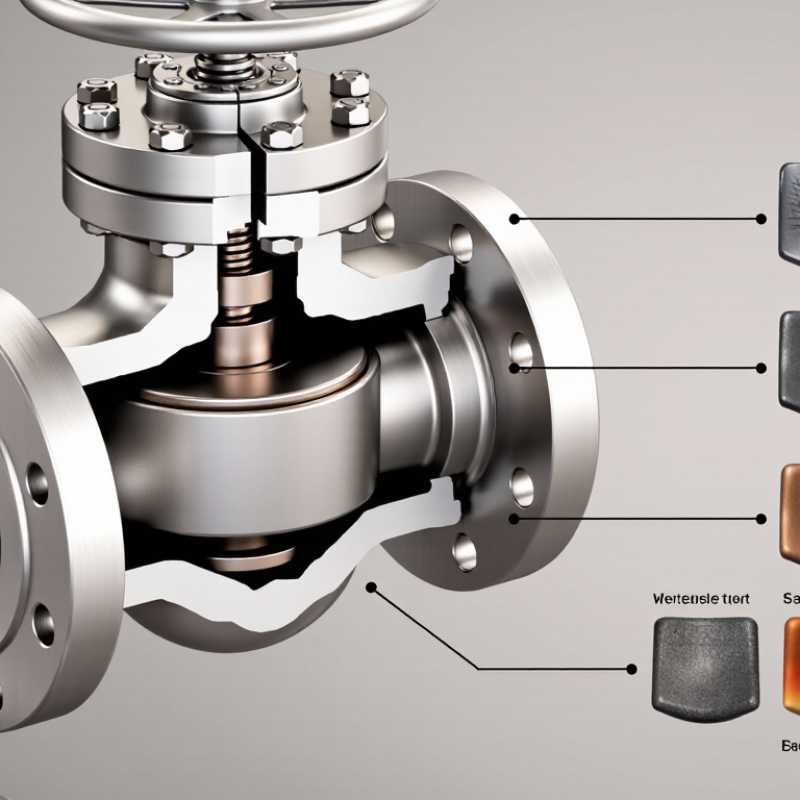
A gate valve seat is the sealing surface inside the body that meets the gate when the valve closes. In a resilient-seated design, the seat may be an elastomer; in a metal-seated design, machined surfaces contact directly. The seat is not the gate itself. It is the landing area that helps limit flow through the closed valve. Small scratches, trapped grit, or uneven contact can compromise that seal.

Look inside the body. Seats sit on either side of the gate’s travel path, aligned with the inlet and outlet ports. As the handwheel lowers the gate, its faces press against these surfaces; when raised, the flow path opens.

That simple movement hides a practical detail: seat materials and geometry must suit the fluid, temperature, pressure, and expected debris. API Standard 598 specifies inspection and pressure-testing procedures for valves, including closure tests; acceptance criteria vary by valve type and size. ASME B16.34 provides pressure-temperature ratings for many industrial valves, which help engineers check whether a selected design fits its service conditions.

These standards guide evaluation, but they do not replace application-specific material checks.

Seats wear. They are not magic. A valve that shuts smoothly may still leak if its seating surfaces are damaged, so inspection and suitable testing matter.

How the Seat Creates a Seal When the Gate Closes

Why Are Gate Valve Seats Important?
How the Seat Creates a Seal When the Gate Closes

Inside a gate valve, the seat is the surface the gate presses against to stop flow. As the handwheel turns, the stem lowers the gate between the seats. The contact must be even. A small gap can let fluid pass, even when the valve feels fully closed. Seat design varies: some valves use resilient materials, while others rely on matched metal surfaces. The right choice depends on the fluid, temperature, pressure, and service conditions. It is a detail that is easy to overlook.

The seal forms through close contact, not magic. The gate and seat need suitable alignment and clean surfaces. Grit, scale, or wear can interrupt contact and create a leak path. Excessive force is not a reliable fix; it may damage sealing surfaces or operating parts. Gate valves are generally intended for fully open or fully closed service, rather than frequent flow control. In practice, inspection findings can be less obvious than expected, so follow the valve maker’s maintenance guidance and assess the actual operating conditions.

Tips: Keep the valve interior clean during maintenance. Check for scoring, deposits, and uneven wear. Confirm the specified seat materials suit the fluid and temperature. If leakage continues, investigate the cause instead of simply applying more closing force.

Why Are Gate Valve Seats Important? - How the Seat Creates a Seal When the Gate Closes
Dimension How the Seat Works Why It Matters Practical Consideration
Sealing interface When the valve closes, the gate meets the seat surfaces inside the body. Contact between these surfaces restricts flow through the valve. The condition and alignment of the seat and gate strongly affect shutoff performance. Wear, corrosion, deposits, or damage can prevent consistent contact and contribute to leakage.
Metal-to-metal seats Machined metal surfaces on the gate and seat come together to form the sealing interface. They are often selected for services where resistance to heat, pressure, or abrasive conditions is important. Sealing depends on suitable surface finish, alignment, and condition; metal seats may not provide bubble-tight shutoff in every design or service.
Resilient seats A compliant material, such as an elastomer, deforms against the gate to create a tighter contact seal. The material can help provide tight shutoff in suitable applications. Compatibility with the fluid, temperature, pressure, and operating conditions must be checked because resilient materials have service limits.
Seat arrangement Gate valves may use parallel or wedge-style closure arrangements. A wedge gate is driven between the seats as it closes. The arrangement affects how closing force is applied and how the gate engages the seats. Valve design determines the appropriate seat and gate geometry; components should be inspected and serviced according to the manufacturer’s instructions.
Flow path when open In a full-bore design, the fully raised gate can leave a relatively unobstructed passage through the valve. This can reduce obstruction in the open position compared with some throttling valve designs. Gate valves are generally intended for fully open or fully closed service, not for regulating flow over extended periods.
Debris and deposits Particles or buildup on the seat can interfere with the contact needed when the gate closes. Even a small obstruction may compromise the seal or damage seating surfaces during operation. Choose a valve suited to the fluid and service conditions, and follow appropriate cleaning and maintenance practices.
Inspection and maintenance Inspection checks the seat and gate for wear, corrosion, scoring, deposits, and other damage. Maintaining the sealing surfaces helps support reliable shutoff and can identify problems before they worsen. Maintenance needs depend on valve design, operating conditions, and service history; isolate and depressurize the system before servicing.

How Seat Design Affects Flow and Valve Performance

A gate valve seat is the surface the gate meets when the valve closes. Its geometry affects shutoff, wear, and how smoothly the gate moves. In a typical gate valve, the gate rises clear of the passage when fully open, leaving a relatively unobstructed flow path. The seat does not usually control flow like a throttling valve. That distinction matters.

Seat design varies with service conditions. Metal seats can tolerate higher temperatures and some abrasive environments, but small particles may score their contact surfaces. Resilient seats can provide tight shutoff at lower pressures, yet temperature and chemical compatibility must be checked. Wedge angle and seat alignment also influence closing force. If parts sit slightly out of line, the gate may bind or wear unevenly. A small mismatch can matter.

In practical inspection, look for scoring, deposits, and uneven contact marks on the seat. These clues can help explain leakage or stiff operation, though they do not prove a single cause. Flow conditions matter too: a partly open gate can create turbulence and accelerate local wear. Gate valves are generally intended for fully open or fully closed service, not regular throttling. It is easy to overlook that point. Choosing seat materials and clearances for the fluid, pressure, temperature, and operating frequency helps maintain dependable performance.

Common Seat Materials and Their Operating Limits

Gate valve seats control shutoff, leakage, and service life. Their material must match the fluid, pressure, temperature, and cycling frequency. A soft seat can seal tightly with low torque, but heat and abrasive particles may damage it. Metal seats tolerate harsher service, although they often require higher closing force and careful surface finishing.

PTFE is commonly selected for chemical compatibility and smooth sealing. Many grades operate near 260°C, but pressure, creep, and filler content can reduce that limit. Reinforced PTFE improves wear resistance. PEEK can support higher-temperature service, often approaching 250°C in suitable formulations. Nylon is economical, yet its practical temperature range is usually much lower. Temperature changes everything.

Metal seats are preferred for steam, abrasive slurries, and severe pressure cycling. Their limits depend on alloy hardness, corrosion resistance, and thermal expansion. API 6D requires documented design and testing for pipeline valves, while ASME B16.34 links pressure ratings to material and temperature conditions. These standards do not make every seat suitable for every process.

An industry maintenance review published by the Valve Manufacturers Association reports that leakage and poor material selection remain frequent valve service concerns. Field records support that warning. A seat may survive a laboratory cycle but fail after repeated thermal shocks. That gap deserves attention. NACE MR0175/ISO 15156 also requires material screening for sour environments, where hardness and cracking resistance become critical. Selecting only by “maximum temperature” is an incomplete decision.

How Seat Wear Causes Leakage and When to Replace It

A gate valve seat forms the sealing surface that meets the gate when the valve closes. When both surfaces are clean and intact, they help stop flow. But repeated operation, trapped grit, corrosion, or unsuitable pressure can wear the seat. Even a small groove may leave a path for fluid to pass.

Leakage may appear as a steady drip downstream, pressure that slowly falls, or flow continuing after the valve is shut. Do not assume the seat is always at fault: debris, a damaged gate, or incorrect installation can cause similar symptoms. During inspection, look for pitting, scratches, uneven contact, and deposits. Seat wear can be hard to judge from outside the valve, so a careful maintenance record matters. Honestly, there is no single service life that fits every valve.

Tips: If leakage persists after operating the valve fully, avoid forcing the handwheel; extra torque can worsen damage. Isolate and depressurize the line before inspection. Replace the seat when wear is deep, sealing remains poor after cleaning, or repair cannot restore an even contact surface. Use a compatible replacement and follow the valve maker’s service instructions. When unsure, ask a qualified technician to assess the valve and its operating conditions.