Choosing the right vehicle tyres in 2026 is not just a matter of matching a size printed on the sidewall. The right choice depends on your vehicle, typical routes, climate, load, and driving habits. A quiet electric car may need tyres suited to its weight and instant torque, while a compact commuter may benefit more from dependable wet-road grip and long tread life. Small details matter. Check the vehicle handbook, door-jamb placard, and tyre sidewall before comparing options.
Stuart Jackson, former chairman of UK tyre-safety charity TyreSafe, has emphasized: “Your tyres are the only part of your vehicle that touches the road.” That contact patch is small, but it affects steering, braking, and stability. A premium label alone cannot tell you how a tyre will feel on your daily route. Compare the correct size and load rating, then consider wet grip, noise, rolling resistance, and seasonal conditions. On a rainy commute, for example, stopping performance may matter more than a sporty tread pattern.
There is no perfect tyre for every driver. And that can be frustrating. Even careful owners sometimes delay checking pressure; I have seen how a few pounds below the recommended figure can change a car’s feel. This guide will explain how to read specifications, weigh all-season and seasonal options, and judge value beyond the purchase price. It will also cover practical checks, because the best choice still needs proper inflation and regular inspection. A little uncertainty remains: real roads rarely match a product test exactly.
Choosing tyres starts with where and how you drive, not which tread looks toughest. Check your vehicle handbook and door-frame placard for the approved size, load index, and speed rating. These details affect fit, handling, and carrying capacity. A tyre can look suitable yet be wrong for your vehicle.
All-season tyres suit drivers facing mixed conditions and occasional snow, but they may be less effective in persistent heat or severe winter weather. Summer tyres are designed for warmer roads, with compounds and tread patterns suited to responsive handling and braking. Winter tyres stay more flexible in low temperatures, and their tread can help grip snow. Cold mornings matter. Real-world performance varies, so a category label is not a guarantee.
For unpaved tracks, all-terrain tyres may offer tougher construction and more open tread, though they can add road noise on pavement. Performance tyres prioritize steering response and grip, while touring tyres often favor comfort and steady mileage. Picture your weekly route: a quiet commute, a mountain pass, or a muddy access lane? Check pressure, tread, and visible damage regularly. If replacing tyres, ask a qualified tyre professional whether matching them in pairs is appropriate for your vehicle. I would not choose by price alone; a specialist tyre you rarely need may not be worthwhile.
Before comparing tyres, read the vehicle placard, usually found inside the driver’s door or fuel flap. It lists approved sizes, load index, and speed rating. Check the owner’s manual too, especially if the vehicle has different front and rear fitments. A tyre’s sidewall shows its size, such as 225/55 R17, but that marking alone does not confirm suitability.
Easy to miss.
Match every specification, not just the wheel diameter. The load index must support the vehicle’s weight, while the speed rating should meet the maker’s stated requirement. Check whether your vehicle uses run-flat tyres, reinforced construction, or a temporary spare; these details can change what fits safely.
NHTSA’s 2022 traffic safety data recorded 646 deaths in crashes involving tyre-related factors. That figure cannot tell you the risk from one incorrect size, but it shows why specifications deserve careful attention.
If the placard and existing tyres disagree, do not assume the older fitment is correct. Ask a qualified tyre professional to verify the vehicle’s approved specifications. I would double-check the numbers before ordering; it takes a minute, and mistakes can be costly.
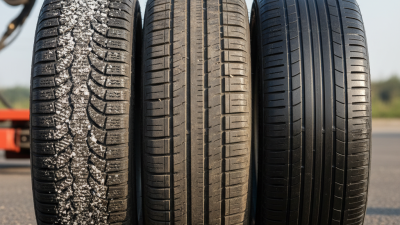
Tread patterns affect how a tyre moves water, grips loose surfaces, and feels on the road. Wide grooves can help channel water away during heavy rain. Closely spaced tread blocks often provide a steadier contact patch on dry pavement, though they may be less suited to deep mud. Rubber compound matters too. Softer compounds can improve grip in cool conditions but may wear faster in warm weather. Trade-offs matter. A tyre that feels quiet on a smooth commute may not feel as composed on a rough, wet road.
Seasonal performance depends on both temperature and driving conditions. Summer tyres are designed for warmer weather, while winter tyres use compounds and patterns intended to stay more flexible in cold conditions. All-season tyres can be a practical compromise where temperatures vary, but they are not automatically the best choice for every climate. Check your vehicle’s manual or door placard for the correct size and load rating. Then compare performance information for wet braking, noise, and expected use. A label cannot reproduce your daily route, and local conditions can surprise you.
Tips: Look at the tread closely for uneven wear; it can point to pressure or alignment issues. Check pressure when tyres are cold. If your winters bring frequent ice or snow, ask a qualified tyre professional whether a dedicated seasonal set suits your driving.
Choosing tyres in 2026 means checking more than tread pattern. Match the size, load index, and speed rating to your vehicle manual and typical loads. NHTSA’s 2022 Traffic Safety Facts recorded 646 fatalities in crashes involving tire-related factors. That figure signals risk, but does not prove tyres alone caused each crash. Read ratings carefully. In the United States, UTQG grades help compare treadwear, traction, and temperature resistance, though they are not a complete safety score.
Regulations and labels differ by market. The European Commission’s tyre-label rules display fuel-efficiency and wet-grip grades, external rolling noise, and, where applicable, snow or ice performance. These figures help compare trade-offs, not predict every road condition. For 2026, consider low-rolling-resistance designs and tyre-pressure monitoring features, especially if your vehicle is heavy or electric. Technology helps, but wet braking still depends on speed, tread depth, pressure, and road surface. I once focused too much on a label grade; it did not tell me how the tyre felt on my rough commute.
Tips: Check pressure when tyres are cold, using the vehicle placard—not the tyre sidewall maximum. Inspect tread and sidewalls monthly. Keep receipts and note the date; memory is unreliable. Swap tyres only as the vehicle manual permits.
Tyre choice should begin with the roads you actually drive, not the weather you occasionally face. For wet commutes, look for tyres with effective water channels and a suitable wet-grip rating. If your route includes gravel or rough shoulders, a tougher tread may resist everyday damage better. Winter conditions call for tyres designed for cold temperatures; ordinary all-season tyres may not provide the same traction on ice. Check your vehicle manual for the correct size, load rating, and speed rating. Close enough is not always safe.
Budget includes more than the purchase price. Compare expected tread life, fuel efficiency, and replacement costs, while avoiding claims that sound guaranteed. A cheaper tyre can cost more over time if it wears quickly or suits your roads poorly. Still, premium pricing does not automatically mean a better match. Consider how many kilometres you drive each year and whether you can replace tyres in pairs when needed. It is easy to focus on the upfront bill and overlook uneven wear.
Maintenance affects safety and value. Check pressure when tyres are cold, using the vehicle placard rather than the maximum printed on the sidewall. Inspect tread and sidewalls monthly for uneven wear, cuts, or bulges. Rotate tyres according to the vehicle maker’s schedule, and ask a qualified technician to investigate persistent pulling or vibration. Small checks take minutes. They are easy to postpone.
| Tyre type | Best suited to | Driving conditions | Main advantages | Trade-offs | Relative budget | Maintenance focus |
|---|---|---|---|---|---|---|
| All-season | Drivers who want one set for everyday use in a generally mild climate. | Dry and wet roads, plus occasional light snow; not a substitute for winter tyres in severe winter conditions. | Convenient year-round use and no seasonal changeover for many drivers. | Typically less specialised than summer tyres in warm weather and winter tyres on snow and ice. | Low to medium | Check pressure and tread regularly; rotate according to the vehicle manual and tyre maker’s guidance. |
| Summer | Drivers in regions with warm weather and mild or limited winters. | Warm, dry, and wet roads; not intended for snow or icy conditions. | Designed to provide responsive handling and grip in warmer temperatures. | Cold weather can reduce performance; a separate winter set may be needed where snow or ice is common. | Medium | Inspect for uneven wear and damage; switch to an appropriate winter option before severe cold-weather driving. |
| Winter | Drivers who regularly face cold weather, snow, or icy roads. | Cold temperatures and winter road conditions. Winter tyres are often recommended when temperatures regularly fall below about 7°C (45°F). | Specialised rubber compounds and tread designs help maintain grip in cold conditions. | Usually need seasonal storage and changeover; wear can increase if used in warm weather. | Medium to high over time if a second set is required | Fit a matched set as recommended for the vehicle; check pressures as temperatures change and store off-season tyres properly. |
| All-terrain | SUV and pickup drivers who split time between paved roads and maintained dirt or gravel routes. | Mixed road use and light-to-moderate off-road surfaces; capability varies by tyre design. | More versatile on loose surfaces than typical road-focused tyres. | May be noisier or less efficient on pavement than a road-focused option; not all are suitable for severe winter conditions. | Medium to high | Check for cuts, embedded debris, and uneven wear after rough routes; follow vehicle load limits. |
| Highway / touring | Commuters and long-distance drivers who spend most of their time on paved roads. | Regular city and highway driving in conditions covered by the tyre’s rating. | Often designed for a comfortable ride and steady road use. | Less suitable for demanding off-road use; check the specific tyre’s wet-weather and winter suitability. | Low to medium | Maintain correct pressure and alignment; investigate persistent vibration or uneven wear promptly. |
| Performance | Drivers prioritising steering response and handling in suitable weather. | Primarily paved roads; weather capability depends on whether the tyre is summer, all-season, or winter-rated. | Designed to emphasise responsive handling and road grip. | May cost more and can involve a firmer ride or shorter service life, depending on design and use. | Medium to high | Monitor pressure and tread closely; use only a size and specification approved for the vehicle. |