How to Choose the Best Off Road Tires for Your Vehicle?
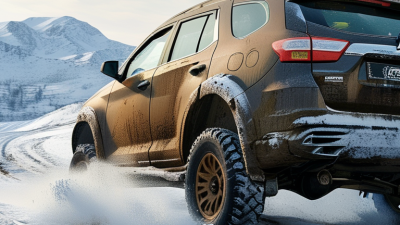
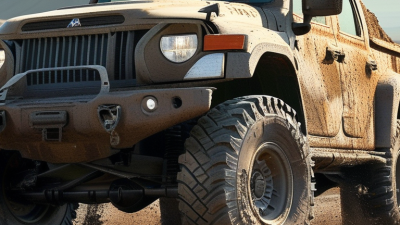
Choosing the best off road tires begins with understanding how and where your vehicle actually travels. A muddy forest trail demands different tread behavior than a rocky desert route. Sand needs flotation, while sharp stones require stronger sidewalls and puncture resistance. Your vehicle’s weight matters, too. Check the manufacturer’s load rating, recommended tire size, and wheel compatibility before comparing aggressive tread patterns. A tire that looks impressive may still handle poorly on pavement.
Real-world experience often reveals details that product descriptions miss. Listen for road noise during daily driving. Notice how your current tires behave on wet gravel, loose soil, and steep inclines. A tire specialist can inspect clearance, suspension changes, and pressure requirements. Correct inflation is especially important. Lower pressure can improve traction, but excessive deflation may damage the sidewall or unseat the tire. Always follow safe limits and local regulations.
There is no perfect choice.
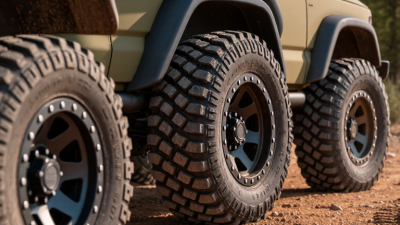
All-terrain tires may suit drivers who commute during the week and explore trails on weekends. Mud-terrain designs can offer stronger grip in deep mud, but they often sacrifice comfort and fuel efficiency. Rocky terrain may justify reinforced construction, even when the tread appears less aggressive. Many buyers focus too heavily on appearance. I have seen capable vehicles struggle because their tires were chosen for style rather than terrain. This guide will compare tread design, durability, handling, noise, cost, and seasonal performance. It will also question common assumptions, because off road tires should match your vehicle, driving habits, and risk tolerance—not someone else’s setup.
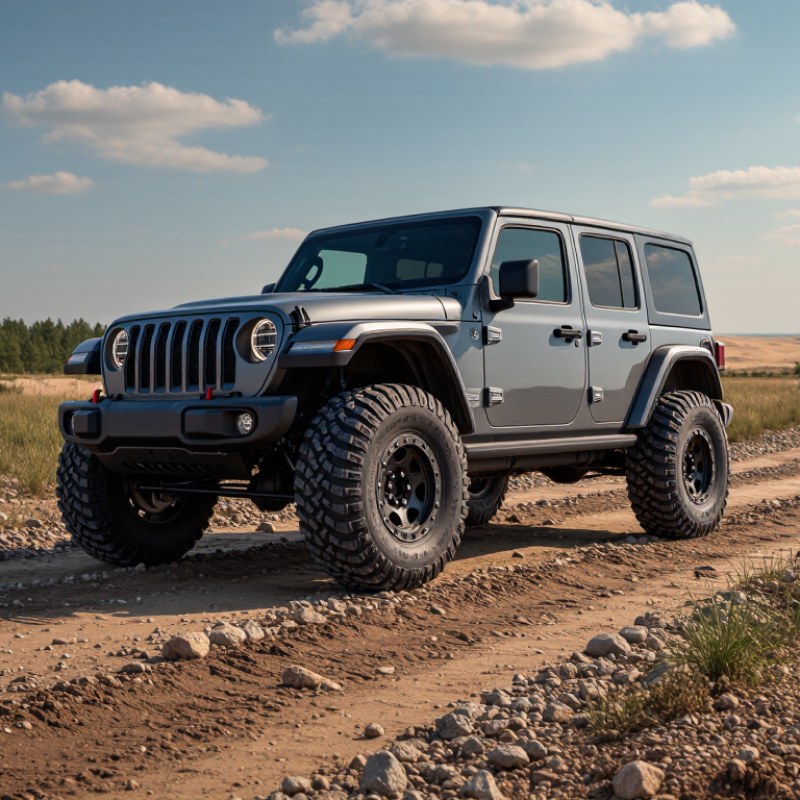
Define Your Driving Needs and Off-Road Conditions
Start with the terrain, not the tread pattern. Mud needs open voids that release packed soil. Sand needs a wider footprint and controlled flotation. Rocky trails demand reinforced sidewalls and stable casing construction. Gravel roads usually favor balanced all-terrain designs. Mixed routes require compromise.
Record your vehicle’s load, towing use, wheel size, and typical speed. A heavily loaded vehicle may need a higher load rating. Check the door-jamb placard before changing pressure. Never treat the sidewall maximum as your normal setting. The National Highway Traffic Safety Administration recommends checking tire pressure monthly and before long trips (NHTSA, TireWise). The U.S. Department of Energy reports that correct inflation can improve fuel economy by up to 3% (fueleconomy.gov). That matters during long trail approaches.
A practical inspection should include sharp stones, sidewall cuts, and uneven shoulder wear. Look closely after every difficult route. Lower pressure can improve traction on sand and rocks, but excessive deflection creates heat and rim damage. Use the vehicle and tire makers’ pressure limits. Reinflate before returning to pavement. I would avoid choosing the most aggressive tread automatically. It may increase noise, vibration, and fuel use during daily driving. A quieter tire can still be the better tool. The U.S. Tire Manufacturers Association also advises replacing tires at 2/32-inch tread depth, although off-road users may need earlier replacement when casing damage appears (USTMA, Tire Care). That judgment is imperfect. Field conditions rarely match a brochure.
Match Tire Size, Load Capacity, and Vehicle Specifications
How to Choose the Best Off Road Tires for Your Vehicle?
Choosing off-road tires starts with the vehicle, not the tread pattern. Read the door-jamb placard and owner’s manual before shopping. They specify the original tire size, cold inflation pressure, load limits, and approved wheel dimensions. A tire can fit the rim yet still overload an axle or rub the suspension.
Match the tire’s load index to your vehicle’s required capacity. Check the gross vehicle weight rating and front and rear axle ratings. Do not estimate by appearance. A heavily equipped SUV carries recovery gear, water, tools, and passengers, which can quickly consume payload. The U.S. Tire and Rim Association publishes yearly size and load standards, but installation still requires checking actual vehicle clearance. Measure at full steering lock and after suspension compression. Small gaps disappear in mud.
Pay attention to sidewall construction and speed rating, not only aggressive tread. A wider tire may improve flotation on sand but increase steering effort and fuel use. The U.S. Department of Energy estimates fuel economy can fall about 0.2% for each psi of underinflation. That matters on long trail approaches. NHTSA recorded 738 deaths in tire-related crashes during 2017, showing that maintenance is not a minor detail. I have seen drivers lower pressure for rocks, then forget to restore it on pavement. That mistake is easy to make. Recheck pressure when tires are cold, inspect sidewalls for cuts, and rotate only when the vehicle manufacturer’s specifications allow it.
Evaluate Terrain Performance, Road Comfort, and Seasonal Suitability
How to Choose the Best Off Road Tires for Your Vehicle?
Choosing off-road tires begins with the ground beneath your usual routes. Loose gravel, wet clay, and sharp rock require different tread behavior. I test tires on the same hill after rain, because dry grip can mislead. Open shoulder blocks clear mud well, but they may feel nervous on pavement. Check sidewall strength and load rating against your vehicle’s actual requirements. A tough casing helps only when its specifications fit the vehicle.
Road comfort matters when the trail starts after a long highway drive. Aggressive tread can create a steady hum through the steering wheel and cabin. Short test drives hide this fatigue. Spend at least thirty minutes on smooth asphalt, patched roads, and tight bends. Watch for wandering, harsh impacts, and delayed braking response. Correct pressure changes the result, so measure it when the tires are cold. I sometimes lower pressure too quickly on sand, then regret the softer steering.
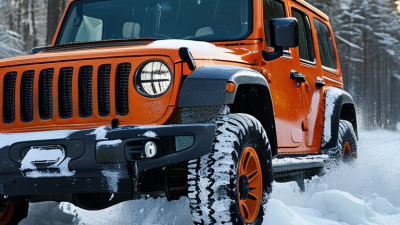
Seasonal suitability should match real temperatures, not calendar labels. In snow, look for certified severe-snow traction markings where applicable. All-terrain tread may handle light snow, but packed ice demands specialized design. In hot weather, inspect pressure more often and check for uneven wear. Rain exposes weak drainage quickly, especially on polished rock or painted roads. Rotate and inspect tires regularly, including cuts between tread blocks. A convenient compromise may sacrifice confidence at both extremes.
Review Fitment, Legal Rules, Costs, and Maintenance Requirements
Choosing the best off-road tires starts with accurate fitment. Check the vehicle placard and owner’s manual first. Record tire width, diameter, load index, and speed rating. Measure clearance at full steering lock and during suspension compression. Aggressive tread can rub against inner fenders, especially after carrying heavy equipment. Wheel offset matters too. A higher load rating may improve durability, but it can reduce ride comfort.
Legal requirements vary by location. Check local rules for minimum tread depth, tire width, sidewall protrusion, mudguards, and lighting. In the United States, 2/32 inch is widely used as a replacement threshold, but local requirements may differ. NHTSA’s TireWise guidance also recommends checking tire age, damage, pressure, and manufacturer service limits. Do not treat legal minimums as safety targets. That shortcut deserves reconsideration.
Costs extend beyond the purchase price. Compare installation, balancing, alignment, disposal, and future rotation charges. AAA’s 2024 Your Driving Costs report estimated average new-vehicle ownership at $12,297 annually, showing why a complete budget matters. Maintenance is practical, not optional. FuelEconomy.gov reports that correct inflation can improve fuel economy by up to 3.3%. Check pressure when tires are cold, inspect cuts after rocky trails, and rotate according to wear. My checklist is not perfect. Recheck fitment after the first serious drive.