How to Choose the Best Vehicle Tires for Your Needs?
Choosing the right vehicle tires is crucial for safety and performance. Tires are the only contact between your vehicle and the road, making their quality vital. The wrong tires can lead to poor handling, reduced fuel efficiency, and increased wear.
When evaluating options, consider your driving habits. Do you drive mostly on highways, or are you often off-road? The answers will guide your decision. Additionally, think about the weather in your area. Certain tires excel in specific conditions. However, not all tires fit every vehicle model.
Pay attention to tire specifications, such as size and type. It can be overwhelming, but understanding these details enhances reliability. Sometimes, it’s easy to overlook factors like tread pattern and rubber compounds. Each aspect impacts performance. Research and consult experts if you're uncertain. Being informed can lead to better choices.
Understanding Different Types of Vehicle Tires Available in the Market
Choosing the right tires for your vehicle can seem daunting. There are various types designed for different driving conditions. Understanding these options helps you make an informed choice.
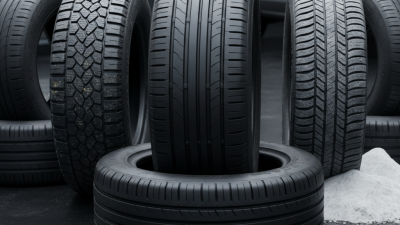
All-season tires are popular among many drivers. They provide good performance in both wet and dry conditions. However, they might not excel in extreme winter weather. On the other hand, winter tires are best for snowy or icy roads. They offer better traction but wear down quickly in warmer climates.
Performance tires cater to those seeking enhanced handling and speed. They perform well on dry roads but may struggle in heavy rain. Then there are off-road tires, designed with deep treads for rough terrain. They are perfect for adventurous drivers. But, using them on highways can lead to a noisy and uncomfortable ride. Make sure to weigh your needs carefully as each tire type has its strengths and weaknesses.
Factors to Consider for Choosing the Right Tire Size and Specifications
Choosing the right tire size and specifications is essential for vehicle performance and safety. A study by the Tire Industry Association noted that 60% of drivers select improper tire sizes, leading to reduced control and stability. The correct tire size ensures that your vehicle maintains the intended handling characteristics. It also influences fuel efficiency, traction, and ride comfort.
When considering tire specifications, understanding load index and speed rating is crucial. The load index indicates how much weight the tire can support. An incorrect load index can lead to premature tire wear or blowouts, which can be dangerous. Meanwhile, speed ratings denote the maximum speed a tire can safely handle. Many drivers overlook these details, risking their safety for the sake of aesthetics or short-term convenience.
Market trends indicate taller aspect ratios become popular, but this can impact handling. Using tires that are too tall can compromise stability, especially during cornering. It’s essential to consult the vehicle manufacturer’s recommendations for precise measurements. Even minor deviations can lead to significant issues, highlighting the importance of verifying your tire choices against authorized specifications.
How to Choose the Best Vehicle Tires for Your Needs?
The following chart illustrates the average tire sizes chosen based on vehicle type. This can help you determine which tire specifications best suit your needs.
Evaluating All-Season vs. Seasonal Tires for Your Driving Conditions
When choosing tires, understanding the difference between all-season and seasonal tires is crucial.
All-season tires are designed for a variety of conditions, including light snow and rain. According to industry reports, they dominate the market, accounting for about
60% of tire sales due to their versatility. However, they may not perform as well in extreme weather conditions.
Seasonal tires, on the other hand, are tailored for specific climates.
Winter tires feature deeper treads and softer rubber to maintain traction in cold temperatures.
A study found that winter tires can shorten stopping distances by up to 30% on icy roads.
Performing well during specific conditions increases safety and prolongs tire life.
Tip: Assess your driving habits and local weather conditions. If you encounter heavy snowfall or harsh winters, investing in seasonal tires might be worthwhile.
While seasonal tires provide superior performance, they may not be cost-efficient for everyone. They require storage and may not be practical for regions with mild climates.
Consider your driving patterns carefully before making a choice.
Tip: Regularly inspect your tires for tread wear and pressure. A well-maintained tire performs better, regardless of the type you choose.
Assessing Tread Life and Warranty Options for Longevity and Performance
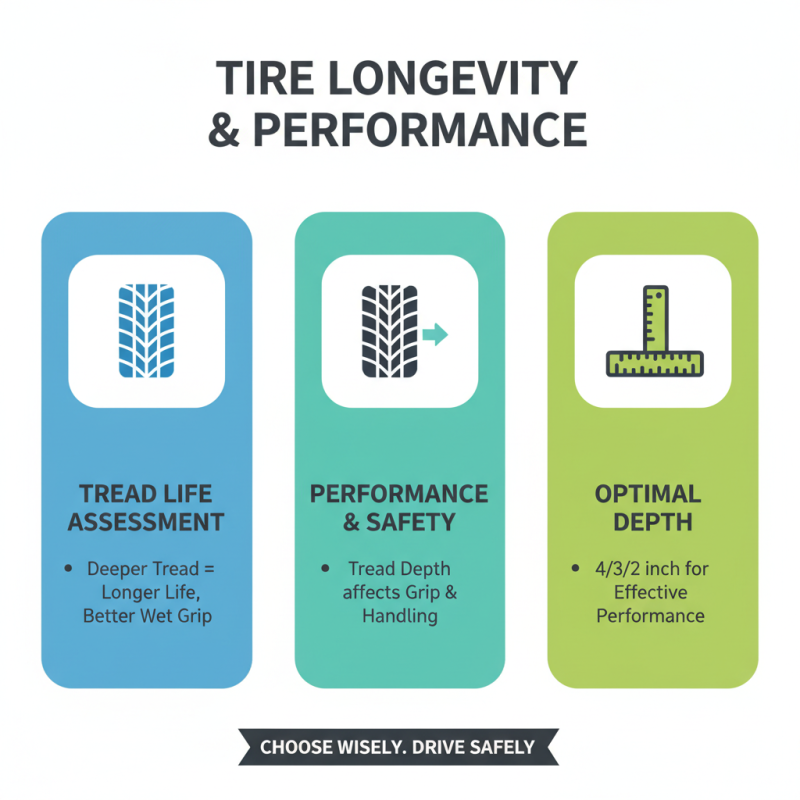
Choosing the right vehicle tires can greatly impact your vehicle's performance and safety. When assessing tread life, it's crucial to understand its implications for longevity. Tread depth affects grip and handling. Tires with deeper treads typically last longer and provide better traction in wet conditions. On average, a tire with a sufficient tread depth of 4/32 inch can maintain effective performance.
Warranty options often provide peace of mind. Manufacturers frequently offer warranties covering treadwear for 40,000 to 80,000 miles. However, it's important to read the fine print. Some warranties may be voided if tires aren't rotated regularly or if proper inflation pressure is not maintained.
Tips: Always inspect tires regularly for uneven wear. A quick visual check can prevent accidents. Consider maintaining tire pressure to improve tread life. Using a pressure gauge can help. Don’t forget, your driving style also impacts tire longevity. Aggressive driving can lead to faster wear, even with high-quality tires. Choosing wisely can make a significant difference in both performance and cost over time.
Budgeting for Tire Purchase: Balancing Quality and Cost Effectively
When budgeting for tires, it's crucial to balance quality and cost. Recent data shows that investing in higher-quality tires can enhance safety and performance. According to a 2022 Tire Industry Association survey, 85% of drivers reported improved vehicle handling with premium tires. However, price sensitivity remains high. The average cost of a tire has increased by about 15%% over the past three years due to various factors, including supply chain issues.
Finding the right price point often requires some sacrifice. Lower-cost tires may offer immediate savings but can lack longevity and reliability. A study by Consumer Reports indicates that cheaper tires may wear out up to 25%% faster than their premium counterparts. This means more frequent replacements and higher long-term costs. Many drivers overlook the lifetime value of tires, focusing solely on upfront costs.
Aiming for a balance can be challenging. Understanding your driving habits and environment is essential. If you frequently drive in harsh conditions, investing more upfront can lead to substantial long-term benefits. Reflecting on personal experiences and assessing tire performance can help make a well-informed decision that aligns with both budget and safety needs.