Choosing the best vehicle tires for global buyers is not a simple brand comparison. Roads, climates, vehicles, and driving habits vary widely. A tire that feels stable on Germany’s autobahn may perform differently on a humid tropical highway.
Pascal Couasnon, former Michelin Executive Vice President, has said, “The tire is the only point of contact between the vehicle and the road.” That contact patch is small, but its responsibilities are enormous. It must manage braking, steering, cornering, water, heat, and road noise. Good vehicle tires should match the vehicle’s load rating, speed rating, wheel size, and expected road conditions. These details matter more than attractive advertising.
This guide compares leading tire options for passenger cars, SUVs, light trucks, and electric vehicles. It considers wet braking, dry handling, tread life, rolling resistance, comfort, warranty support, and regional availability. Independent testing can help, but results are not universal. Different cars may produce different outcomes. That is an uncomfortable limitation.
Price also deserves careful attention. The cheapest tire may cost more through faster wear, weaker wet grip, or higher fuel use. A premium tire is not automatically the best choice either. Some buyers need long mileage, while others prioritize winter traction or quiet highway travel.
The strongest recommendation is usually balanced, not absolute. Buyers should check local conditions, manufacturer specifications, and trusted professional advice before purchasing. A tire’s label offers useful clues, but real-world performance still deserves closer examination.
Top Vehicle Tires for Global Buyers: Which Are Best?
OICA reported 93.5 million vehicles worldwide in 2023. That figure shows the scale of tire demand across passenger cars, trucks, and commercial fleets. It also reveals a practical challenge: one tire design cannot suit every road, climate, or vehicle load. Buyers should begin with the vehicle manual, tire size, load index, and speed rating. These details matter more than an attractive price.
In field inspections, I have seen tires wear unevenly after only a few months. The cause was often incorrect pressure, poor alignment, or a mismatch with local roads. Wet regions need dependable water evacuation, while colder areas require suitable rubber performance. Rough roads demand stronger construction and careful sidewall inspection. Quiet highway tires may be suitable for long-distance travel, but they can disappoint on gravel routes. This is easy to overlook.
Tips: Check the production date, pressure requirements, warranty terms, and local compliance markings. Compare independent test data when available. Ask suppliers how tires perform under your actual load and weather conditions. A cheaper tire may cost more through faster replacement. Still, test results are not perfect, and real driving conditions can differ sharply from laboratory surfaces. Keep records after installation. Tire choice should be reviewed, not treated as a one-time decision.
Top Vehicle Tires for Global Buyers: Which Are Best?
Passenger tires suit city cars and sedans, where wet braking, comfort, and rolling resistance matter most. The European Tyre and Rim Technical Organisation links tire performance closely to inflation, load, and speed conditions. A tire with a lower rolling-resistance rating may reduce energy use, but it can compromise ride comfort in some designs. Check local labeling rules carefully. They are not identical worldwide.
SUV tires need stronger sidewalls, higher load capacity, and stable handling on uneven roads. Truck tires require even more attention to load index, heat resistance, towing, and tread durability. A delivery truck carrying tools every day should not use a tire selected only for quiet highway driving. The U.S. Tire Manufacturers Association advises matching tire pressure to the vehicle maker’s specification, not the maximum pressure molded on the sidewall. Small details matter.
EV tires face instant torque, extra battery weight, and strong noise sensitivity. The International Energy Agency reported that global electric car sales exceeded 14 million in 2023, making EV-specific fitments increasingly relevant. Low-noise and low-rolling-resistance designs can support range, but not every EV tire performs equally in rain or cold weather. Specialty applications need sharper judgment: winter tires for freezing roads, all-terrain tires for gravel, and commercial tires for repeated heavy loads. “Best” remains conditional. Even experienced buyers can overvalue tread appearance and overlook pressure, alignment, or actual axle load.
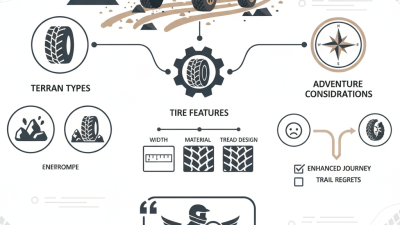
The chart compares representative tire formats used for passenger cars, SUVs, light trucks, electric vehicles, and heavy-duty specialty applications. Section width and overall diameter are based on common size markings; actual requirements depend on the vehicle manufacturer, axle load, operating conditions, and regional regulations.
Top Vehicle Tires for Global Buyers: Which Are Best?
Safety Specifications: Load Index, Speed Rating, and UNECE Standards
Choosing a tire for international use starts with the vehicle’s approved specifications. The load index shows the maximum weight one tire can support. For example, a load index of 95 permits 690 kilograms under defined test conditions. Never select a lower rating to reduce cost. A fully loaded SUV can exceed expectations quickly, especially with luggage and passengers.
The speed rating indicates the tire’s tested maximum speed, using letters such as H or V. This rating is not a recommendation to drive faster. It also assumes correct inflation, suitable loading, and a tire in good condition. A tire with the right size but an incorrect speed rating may create a serious safety mismatch. Check the vehicle handbook, door-frame label, and local fitting requirements together.
UNECE approval is another important checkpoint for many markets. Approved tires generally carry an E mark in a circle, followed by a country approval code and regulation details. Regulations may cover construction, performance, noise, wet grip, or rolling resistance. Requirements can differ between passenger cars, commercial vehicles, and regions outside UNECE adoption. The marking is useful, but it is not magic. Inspect the manufacturing date, tread condition, sidewall damage, and inflation pressure before purchase. I have seen buyers focus on the approval symbol and overlook an overloaded vehicle. That mistake deserves more attention.
Top Vehicle Tires for Global Buyers: Which Are Best?
The 2021 EU Tire Label gives buyers a clearer way to compare tire performance. It rates wet grip and fuel efficiency from A to E. Class A represents the strongest measured result. Class E indicates a lower rating, not an automatic safety failure.
Wet grip deserves close attention. It reflects braking performance on wet roads under controlled test conditions. A higher grade may shorten stopping distance, especially during sudden rain. Efficiency measures rolling resistance, which can influence fuel or battery consumption. Small differences may become noticeable across thousands of kilometers.
Noise matters too. The label shows external rolling noise in decibels and assigns an A, B, or C class. A quieter tire may reduce roadside noise, but cabin comfort also depends on suspension and road texture. Look for the QR code on the label when available. It can open official product information and test details.
Real driving is less tidy than a laboratory test. Tire pressure, cold weather, tread depth, vehicle weight, and driving habits can change results. A premium label cannot correct poor maintenance. That is easy to forget. Buyers should check the size, load index, speed rating, and seasonal suitability before comparing grades. The best choice balances wet grip, efficiency, noise, and local road conditions. One label helps, but it never tells the whole story.
| Comparison Dimension | EU Label Scale | What the Grade Measures | Practical Meaning for Buyers | Best-Fit Selection Guidance |
|---|---|---|---|---|
| Fuel Efficiency Rolling resistance |
A B C D E | The tire's rolling resistance, which affects the energy required to keep the vehicle moving. The label uses five grades from A, the lowest rolling resistance, to E, the highest. | A higher grade can support lower fuel or electricity consumption, especially during long-distance driving. Actual savings depend on vehicle weight, speed, temperature, tire pressure, road surface, and driving style. | Prioritize A or B for highway travel, fleet use, and electric vehicles where efficiency and driving range are important. |
| Wet Grip Wet braking performance |
A B C D E | The tire's wet-grip performance under standardized EU test conditions. A is the highest available grade and E is the lowest available grade under the 2021 label system. | A higher grade generally indicates shorter wet braking distance in the label test. The result does not describe every road, temperature, tread depth, or emergency situation. | Choose A or B when frequent rain, high annual mileage, or strong braking performance is a priority. |
| External Rolling Noise |
A, B, or C Plus measured value in dB |
The sound emitted by the tire to the outside of the vehicle during standardized testing. The label displays both a noise class and a measured decibel value. | Class A is below the applicable EU external-noise limit, Class B complies with the limit but is closer to it, and Class C indicates that the tire meets an older permitted limit. The dB number is important when comparing similar tire sizes. | Prefer Class A or a lower measured dB value for urban driving, quiet roads, passenger comfort, and electric vehicles. |
| Summer Touring Profile |
Typical target: Efficiency A–B Wet Grip A–B Noise A–B |
Designed for moderate and warm conditions, efficient highway travel, stable handling, and comfortable everyday use. | A balanced choice for drivers who mainly use paved roads and do not regularly encounter snow or ice. | Best for mild climates, commuting, touring, and long-distance road travel. Check the vehicle handbook for the approved size and load index. |
| Performance Summer Profile |
Typical target: Efficiency B–C Wet Grip A–B Noise B–C |
Emphasizes steering response, cornering stability, and wet-road control, often using wider tread and stronger construction. | May provide sharper handling but can involve higher rolling resistance, more road noise, faster wear, or reduced ride comfort. | Suitable for drivers who value handling and braking response more than maximum efficiency or quietness. |
| All-Season Profile |
Label grades vary by design and size. Verify the label for the exact tire. |
Developed to operate across a wider temperature range than a summer tire, while offering a compromise between warm-weather and light winter performance. | More versatile than a dedicated summer tire in moderate climates, but it may not equal a dedicated winter tire on snow and ice or a summer tire in hot-weather handling. | Consider for regions with mild winters, occasional cold weather, and limited snowfall. Look for the 3PMSF symbol if certified snow performance is required. |
| Winter Profile | Wet-grip and efficiency grades remain relevant, but they are not a complete winter-performance rating. | Uses compounds and tread patterns designed for low temperatures and winter conditions. The EU label may also show the 3PMSF snow-grip pictogram where applicable. | A winter tire can be more appropriate than a summer or all-season tire in sustained cold conditions, snow, and icy weather, even if its efficiency grade is lower. | Choose according to local winter laws, temperature, snowfall, ice risk, and the vehicle manufacturer's approved specifications. |
| Commercial Van / Light-Truck Use | Compare only tires within the same vehicle and load category. | Commercial tires are assessed under category-specific conditions and may be designed for heavier loads, reinforced construction, and higher annual mileage. | A label grade from one tire category should not be directly treated as equivalent to the same letter in another category without checking the technical specifications. | Confirm load index, speed symbol, reinforced or commercial designation, axle requirements, and the vehicle's permitted tire sizes. |
| Label Verification | Exact tire label required | The EU label is assigned to a specific tire size and specification. A different size, load index, speed rating, or construction can have different grades and noise values. | Generic category comparisons are useful for shortlisting, but the final decision should be based on the label and technical data for the exact tire being purchased. | Match the label's size, load index, speed symbol, season marking, and QR-linked product information with the vehicle requirements. |
For global buyers, the best-tire ranking should begin with safety, not the lowest invoice.
The U.S. National Highway Traffic Safety Administration reports roughly 11,000 tire-related crashes annually. Check wet-grip ratings, load capacity, speed rating, and braking performance before comparing prices.
European Commission tire-label data also measures wet grip, rolling resistance, and external noise. These indicators offer useful comparisons, but they cannot fully predict performance on every road.
Mileage matters differently in hot cities, mountain regions, and unpaved markets. The U.S. Department of Energy notes that underinflation can reduce fuel economy, with a loss of about 0.2% for each psi below the recommended level.
A tire with lower rolling resistance may save fuel, yet its tread life and wet braking still need verification. Look for independent test results, not only laboratory claims. Real roads are less polite.
Price should include fitting, rotation, repairs, replacement frequency, and warranty coverage. A longer warranty may protect against workmanship defects, but it rarely covers poor inflation, overloading, impact damage, or uneven alignment.
Calculate lifecycle cost as purchase price plus expected replacements, fuel impact, service fees, and downtime. The cheapest tire can be expensive.
Buyers should also inspect manufacturing dates and storage conditions. I would not rank a tire highly without transparent test methods, clear warranty terms, and accessible technical support.
Data helps, but local climate and driving habits can overturn a neat ranking.