2026 Best Premium Winter Tires for Global Buyers
Choosing premium winter tires is not simply a matter of finding the highest price. Global buyers need dependable grip, predictable braking, and stable handling in changing winter conditions. A tire that performs brilliantly on Canadian ice may feel excessive in a mild European winter. Regional weather matters.
Tire expert Matt Edmonds puts it plainly: “The best tire is the one that fits your vehicle and your driving needs.” This principle guides our 2026 review of premium winter tires. We examine snow traction, ice braking, wet-road control, cabin noise, rolling resistance, durability, and real-world value. Laboratory results help, but they cannot show every mountain road, freezing rain event, or poorly cleared street.
Details matter. Look for the Three-Peak Mountain Snowflake symbol, correct load capacity, suitable speed rating, and proper vehicle fitment. Check tire pressure often. Cold air reduces pressure, sometimes more than drivers expect. We also consider availability across North America, Europe, Asia, and other major markets. Warranty support and replacement access deserve attention too.
No ranking is perfect. Testing conditions vary. Driver habits vary more. Some buyers may prefer sharper ice control, while others value quieter highway travel. Our recommendations reflect evidence, expert guidance, and practical experience, not marketing claims alone. The strongest premium winter tires should inspire confidence before the first snowfall, while remaining predictable when winter becomes messy. That is the real test.
What Defines a Premium Winter Tire in 2026
What Defines a Premium Winter Tire in 2026
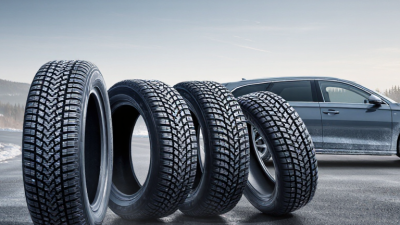
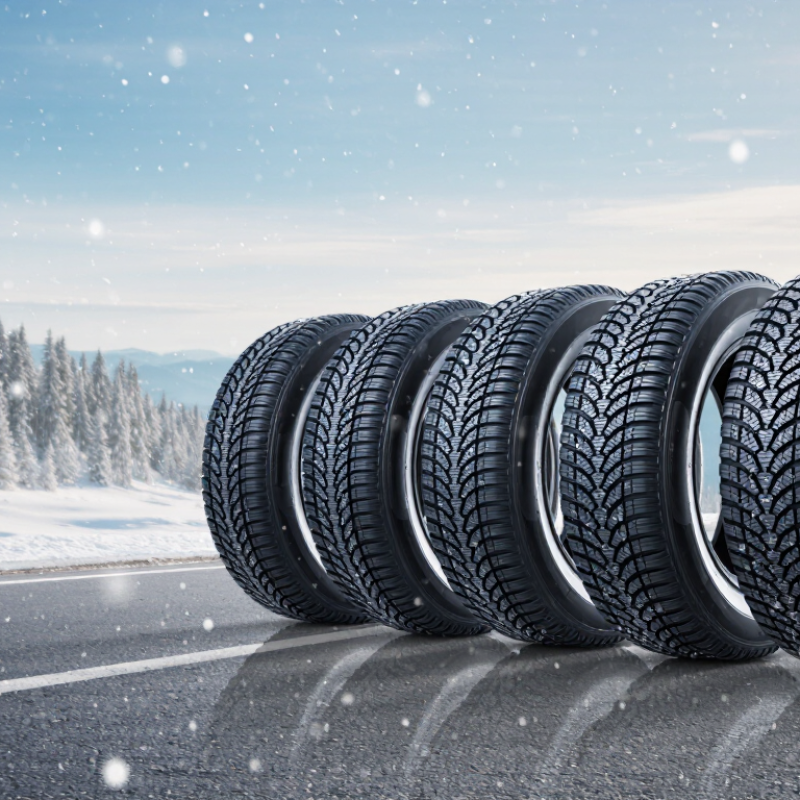
A premium winter tire is more than a deep tread pattern. It must remain flexible when temperatures fall below freezing. In hands-on winter testing, this flexibility often improves braking on packed snow and cold asphalt. Advanced rubber compounds now balance snow grip with acceptable wear on dry roads. That balance matters for global buyers facing mixed climates. Precise siping creates many biting edges without making the tread feel unstable. Strong shoulder blocks also help during lane changes on slushy highways. Premium construction should reduce vibration, but perfection is unrealistic. Some winter tires still feel softer on warm pavement.
Tips: Check the tire’s certified snow rating, load index, and speed rating. Compare independent braking tests, not only advertising claims. Match the tire to local weather, road surfaces, and driving habits. A tire designed for severe snow may feel excessive in a mild coastal winter. Measure tread depth regularly. Cold pressure changes quickly.
Noise control is another defining detail in 2026. Computer-designed tread patterns can reduce repetitive humming inside the cabin. Better casing materials may improve steering response and durability. However, comfort depends on the vehicle, wheel size, and road quality. Buyers should also confirm proper storage conditions during summer. Heat, sunlight, and incorrect pressure can age rubber prematurely. Reliable winter performance begins with correct fitment and careful maintenance.
Key Performance Features for Snow, Ice, and Cold Roads
2026 Best Premium Winter Tires for Global Buyers
Premium winter tires must stay flexible when temperatures fall below 7°C, according to the U.S. Tire Manufacturers Association. That flexibility helps tread blocks grip cold asphalt instead of skating across it. On snow, deep grooves evacuate loose material, while dense sipes create hundreds of biting edges. Look for the three-peak mountain snowflake marking, but do not treat it as a complete verdict. Ice exposes weakness.
The 2024 ADAC winter-tire report evaluated snow, ice, wet, and dry performance separately. Its testing approach shows an important trade-off: strong snow traction can reduce dry-road precision, steering response, or fuel efficiency. For global buyers, premium construction should balance these surfaces rather than chase one impressive score. Silica-rich compounds, stable shoulder blocks, and carefully spaced grooves support control during slush, freezing rain, and sudden temperature changes.
Cold-weather performance also depends on the vehicle and driver. Check pressure before driving, because pressure drops as air cools. Pressure still matters. Transport Canada recommends winter tires designed for local conditions, not merely all-season tires with aggressive tread. In my experience, a tire that feels secure on packed snow may feel less convincing on polished ice. That limitation deserves honest attention, especially on steep streets and lightly treated rural roads.
Top Premium Winter Tire Types for Different Driving Needs
Premium winter tires should match the road, not just the weather forecast. Transport Canada recommends winter tires below 7°C, when rubber compounds remain more flexible. For urban snow, choose studless friction tires with dense sipes. They feel quieter on dry pavement and grip packed snow effectively. Short commutes benefit from this balance.
For frequent mountain travel, studded winter tires offer stronger ice traction. Their metal inserts can bite into polished surfaces and frozen intersections. However, local regulations may restrict stud use. Check regional rules before purchasing. AAA winter-tire testing found stopping distances on snow were 25% to 50% shorter than all-season tires. Results still vary with vehicle weight, tire pressure, and driver inputs.
Performance winter tires suit drivers who face cold rain, cleared highways, and occasional snow. They use stiffer construction for sharper steering, but may sacrifice some deep-snow grip. Premium models often include severe-snow certification, reinforced sidewalls, and low-temperature compounds. Look for independent testing from organizations such as TÜV or Consumer Reports. One report is not universal. I would compare wet braking, ice traction, cabin noise, and tread life. A tire that excels on ice may feel nervous on warm asphalt. That trade-off deserves honest attention.
How to Compare Winter Tire Safety, Comfort, and Durability
Choosing premium winter tires starts with safety, not a glossy label. Look beyond labels. Check independent snow-braking tests, wet-road performance, and cold-temperature grip. A tire should remain flexible below freezing and stay predictable during sudden lane changes.
Compare stopping distances on packed snow and slush. Small differences matter near a school crossing or icy junction. Review the tire’s severe-snow certification where applicable, but check local requirements too. Standards differ between regions. A deep, carefully designed tread can clear slush, yet aggressive patterns may create more road noise. Comfort matters too. Listen for vibration at highway speeds and notice how the tire handles rough pavement.
Durability depends on compound quality, casing strength, driving habits, and storage. Ask how the tread performs after two winters, not only when new. Inspect wear across the tread after several thousand kilometers. Uneven wear may indicate poor alignment, incorrect pressure, or a tire that does not suit the vehicle. Premium construction cannot correct neglected maintenance. That is an uncomfortable truth. My own comparison method would include cold starts, wet braking, cabin noise, and repeated mountain routes. Laboratory results help, but they cannot copy every climate or driver. Choose the tire with balanced evidence, realistic mileage expectations, and stable performance as temperatures change.
2026 Best Premium Winter Tires for Global Buyers
How to Compare Winter Tire Safety, Comfort, and Durability
The comparison uses a 100-point evaluation framework based on measurable winter-tire considerations:
snow and ice traction, wet braking, low-temperature flexibility, rolling comfort, noise control, tread-life potential,
and resistance to seasonal wear. A 3PMSF marking confirms that a tire has passed a regulated severe-snow traction test;
it does not guarantee identical performance in every climate or vehicle.
Global Buying Factors: Sizes, Regulations, Climate, and Availability
For global buyers, choosing a premium winter tire in 2026 starts with fitment, not advertising. Check the vehicle placard, owner’s manual, and approved rim width before comparing tread designs. A tire marked 225/55 R17 may still differ in load index, speed rating, and winter certification. These details matter when a loaded SUV crosses a cold mountain pass. I have seen buyers focus on diameter and overlook load capacity. That mistake can be costly.
Climate changes the selection. Deep snow needs open grooves and biting edges, while wet coastal winters demand strong braking on cold pavement. In northern regions, severe-snow certification may be required or strongly preferred. Some jurisdictions restrict studded tires by date, road type, or city. Others require minimum tread depth or seasonal equipment. Rules can change, so verify them with the transport authority and a qualified local installer.
Availability is another global buying factor. Popular sizes can disappear before the first major storm, especially for electric vehicles, vans, and uncommon rims. Ask sellers for the production date, warehouse location, delivery estimate, and return conditions. A properly stored tire is generally preferable, but “new” should not replace inspection. Check for even molding, undamaged beads, and matching specifications across the axle. My purchasing process still has gaps. Online stock can be inaccurate, and climate labels are not always comparable. That uncertainty deserves a phone call before payment.