Best Car Tires for All Weather Conditions?
When it comes to driving, the right car tires can make a significant difference. They are the only contact point between your vehicle and the road. Choosing the best car tires for all weather conditions is crucial for safety and performance. Different climates bring various challenges. Rain, snow, and heat all affect tire performance.
Many drivers overlook the importance of having versatile tires. All-weather tires are designed to handle a range of conditions. However, some might find their grip lacking in harsh winter conditions. Others may feel they sacrifice efficiency on dry roads. Finding the right balance is not always easy.
Consider your driving habits and local weather. What works for one driver may not suit another. Reflecting on these factors can help you choose wisely. In the end, the right car tires will enhance comfort, control, and safety throughout the year. It's important to invest time in research before making a decision.
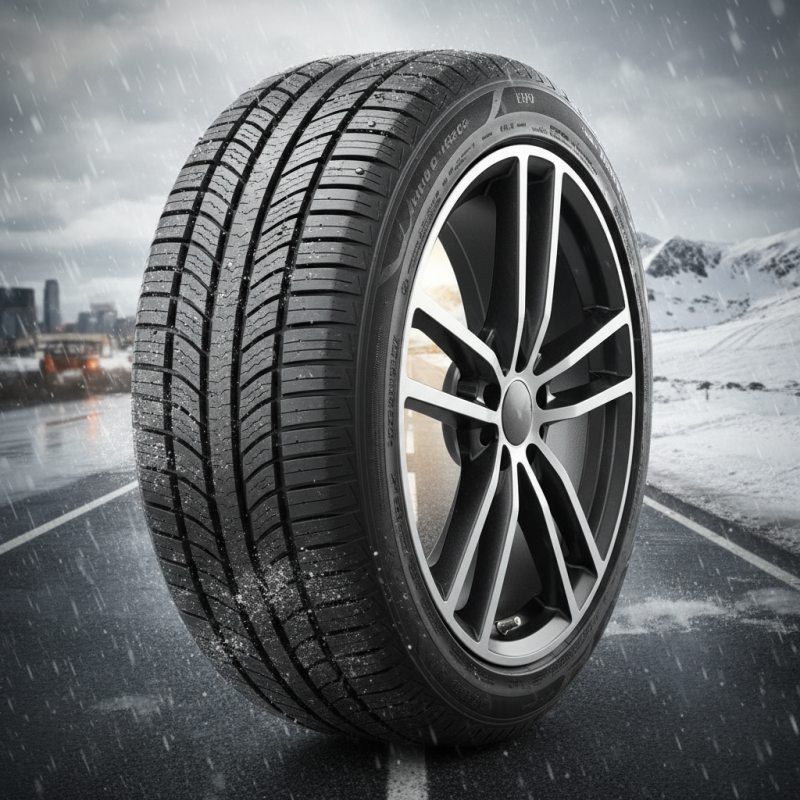
Understanding All-Weather Tires and Their Benefits
All-weather tires are engineered to handle various conditions. They provide versatility for drivers who face changing weather. According to industry reports, nearly 40% of drivers report dissatisfaction with seasonal tire performance. Many believe a single set of tires would simplify their driving experience.
These tires combine features from both all-season and winter tires. They use a unique tread pattern that enhances grip in rain or snow. In fact, studies reveal that all-weather tires can perform up to 20% better in snow compared to standard all-season tires. This performance is often overlooked by drivers who switch tires with the seasons.
Yet, all-weather tires are not without limitations. Some users report a compromise in handling on dry roads. Others notice increased road noise at higher speeds. These factors deserve careful consideration, especially for performance-oriented vehicles. Drivers need to weigh the convenience against their specific driving needs.
Key Features to Look for in All-Weather Tires
When selecting all-weather tires, it's essential to consider key features that enhance performance in diverse conditions. First, tread design plays a critical role. Look for tires with a symmetrical or directional pattern. These designs improve grip on both wet and dry surfaces. According to the Tire Industry Association, proper tread depth should be at least 4/32 of an inch for effective performance.
Another vital feature is rubber composition. Tires made from specialized compounds provide better flexibility in cold weather, optimizing traction. A report from the Rubber Manufacturers Association highlights that all-weather tires can reduce stopping distances significantly on wet roads. Choosing the right tires can lead to a 25% increase in safety, especially during rain.
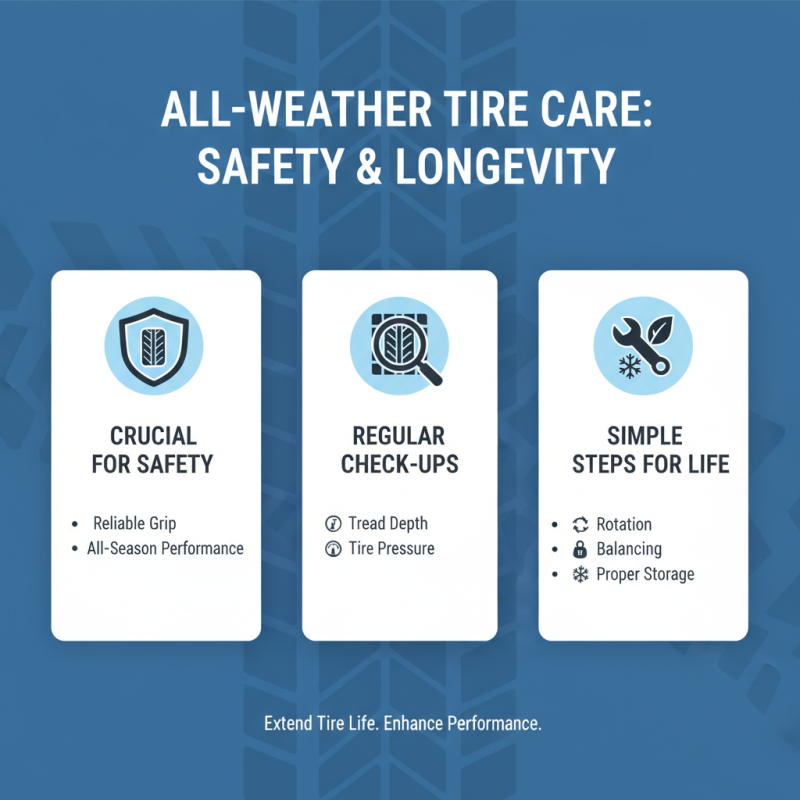
Tips: Regularly check tire pressure to maintain optimal performance. Under-inflated tires can lead to increased wear and reduced fuel efficiency. Also, rotate your tires every 5,000 to 7,500 miles to ensure even tread wear.
Lastly, consider the warranty and customer feedback. Many users report issues with durability in extreme conditions. Researching user experiences can provide insight into long-term performance. Balancing features like durability and traction is essential for a reliable ride.
Top Recommended All-Weather Tires for Various Vehicles
When choosing all-weather tires, many factors come into play. These tires need to perform well in multiple conditions, including rain, snow, and dry roads. According to a recent industry report, a good all-weather tire can provide a grip improvement of up to 20% compared to standard tires in wet conditions. This is crucial for safety.
Some vehicles perform better with specific tire designs. For instance, minivans and family SUVs usually benefit from tires designed for stability and comfort. In contrast, sports cars might need a blend of performance and durability. A survey indicated that 65% of drivers value tread life, showing that durability is a major concern.
However, striking a balance between performance and longevity is often challenging. Some all-weather tires may wear out faster than expected, especially under high-stress conditions. This discrepancy can leave drivers questioning whether they made the right choice. It’s essential to consider both driving habits and local weather patterns when selecting tires. While all-weather options shine in versatility, they may not always meet every expectation.
How All-Weather Tires Perform in Different Weather Conditions
All-weather tires are designed to perform adequately in various conditions. They balance capabilities between summer and winter tires. According to a study by the Tire and Rim Association, these tires can reduce the risk of accidents by about 15% in moderate weather. That’s a significant improvement for drivers who face changing conditions.
In rainy weather, all-weather tires provide decent traction. Their tread patterns help channel water away, reducing hydroplaning risks. However, they do not perform as well as dedicated wet-weather tires. A report from the Consumer Reports shows that dedicated wet tires can stop 10% shorter on wet surfaces. This performance gap needs careful consideration before choosing tires.
Winter performance is another area of concern. All-weather tires can handle light snow. Yet, they struggle in heavy snow or ice. Research from the Rubber Manufacturers Association indicates that high-performance winter tires can stop up to 30% shorter on ice than all-weather options.
Tip: Regularly monitor tire tread depth. Worn tires can lose their grip, especially in adverse weather. Aim for at least 4/32-inch tread depth for optimal performance.
Tip: Rotate your tires every 5,000 to 8,000 miles. This practice ensures even wear and prolongs tire lifespan. Don't ignore signs of uneven wear. They could indicate alignment or suspension issues.
Best Car Tires for All Weather Conditions
| Tire Type |
Dry Performance |
Wet Performance |
Snow Performance |
Longevity |
Comfort |
| All-Weather Tire A |
Excellent |
Good |
Fair |
50,000 miles |
Quiet and smooth |
| All-Weather Tire B |
Good |
Excellent |
Good |
60,000 miles |
Comfortable ride |
| All-Weather Tire C |
Fair |
Fair |
Excellent |
40,000 miles |
Moderate noise |
| All-Weather Tire D |
Good |
Good |
Fair |
55,000 miles |
Soft and cushioned |